
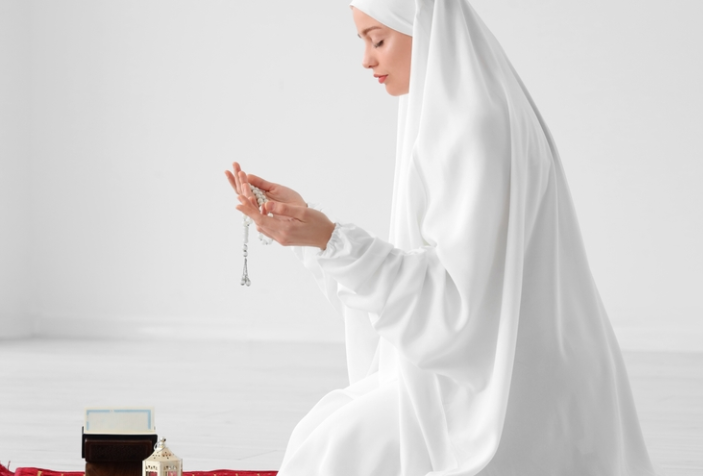
Marriage is an important step in life, yet many individuals experience different types of challenges before reaching this stage. Some people face delays in receiving suitable proposals, while others experience repeated misunderstandings between families, financial concerns, or emotional stress that slows down the marriage process. In many cases these situations create anxiety and uncertainty for individuals who sincerely wish to build a peaceful and stable family life. Islam encourages believers to respond to such difficulties with patience, prayer, and trust in Allah.
One of the chapters of the Quran that reminds believers about patience and reliance on Allah is Surah Al Anbiya. Surah Al Anbiya is the twenty first chapter of the Quran and contains 112 verses. It was revealed in Makkah and focuses on the message of monotheism, the reality of accountability, and the experiences of many prophets who faced challenges while conveying the message of Allah. :contentReference[oaicite:0]{index=0}
This Surah is called “Al Anbiya,” which means “The Prophets,” because it refers to the lives and struggles of many prophets such as Musa, Ibrahim, Ayyub, Yunus, Zakariya, and others. Their stories demonstrate patience, sincere prayer, and reliance on Allah during difficult circumstances. :contentReference[oaicite:1]{index=1}
Because this Surah highlights the patience and prayers of the prophets, some Muslims recite Surah Al Anbiya as a wazifa when they are experiencing personal difficulties such as delays in marriage. The purpose of this recitation is to seek spiritual comfort and to ask Allah to remove obstacles and guide a person toward a suitable life partner. Those who want to explore another related Quranic recitation may also read Surah Al Anbiya Wazifa for Marriage, which emphasizes patience and sincere supplication.
Hadith Related to the Recitation of the Quran
Islam places great importance on the recitation of the Quran. Prophet Muhammad (صلی اللہ علیہ والہ وسلم) encouraged believers to read and reflect upon the Quran regularly. In an authentic narration reported by Abdullah ibn Masud, the Prophet (صلی اللہ علیہ والہ وسلم) said that whoever recites a letter from the Book of Allah will receive a reward, and each reward is multiplied ten times. :contentReference[oaicite:2]{index=2}
This teaching shows that Quranic recitation brings spiritual reward and strengthens a believer’s connection with Allah. Although there is no specific narration stating that Surah Al Anbiya must be recited for marriage solutions, scholars explain that reciting the Quran with sincere intention and supplication can bring spiritual peace and encouragement during difficult times.
Method of Surah Al Anbiya Wazifa for Marriage
A person who wishes to perform Surah Al Anbiya wazifa for marriage concerns should begin with sincere intention and trust in Allah. It is recommended to perform ablution and choose a quiet and peaceful time for recitation so that the mind remains focused. Many people prefer reciting after Fajr prayer or after Isha prayer because these times allow a person to concentrate on prayer and reflection.
The practice may begin by reciting Durood Sharif several times, followed by the recitation of Surah Al Anbiya with respect and attention. After completing the Surah, the person should raise their hands in supplication and ask Allah to remove difficulties related to marriage, guide them toward a compatible and righteous partner, and bring harmony between families.
This wazifa may be continued regularly while maintaining patience and positive expectations. After completing the recitation it is recommended that a person continues to recite Durood Sharif and some verses of Surah Al Anbiya regularly so that the spiritual connection with Allah remains strong.
Possible Spiritual Benefits Related to Marriage
Reciting Surah Al Anbiya as a wazifa may provide several spiritual and emotional benefits for individuals who are experiencing marriage related concerns. These benefits are related to strengthening faith, patience, and emotional balance rather than guaranteeing specific outcomes.
- Encourages patience during delays in marriage.
- Strengthens trust in Allah during uncertain situations.
- Helps reduce emotional stress related to marriage pressure.
- Promotes inner peace and spiritual calmness.
- Encourages sincere supplication for a suitable spouse.
- Reminds believers of the patience shown by the prophets.
- Helps maintain hope during repeated delays.
- Supports emotional balance after unsuccessful proposals.
- Encourages reliance on prayer instead of worry.
- Promotes reflection on Quranic lessons about perseverance.
- Strengthens connection with the Quran.
- Encourages gratitude for blessings already present in life.
- Helps individuals remain hopeful about future marriage opportunities.
- Encourages calm thinking while making marriage decisions.
- Promotes patience during family discussions about marriage.
- Encourages positive expectations about the future.
- Helps reduce feelings of loneliness during delays.
- Encourages thoughtful prayer for a righteous partner.
- Supports emotional resilience during difficult times.
- Encourages continuous remembrance of Allah.
- Promotes faith based optimism.
- Helps individuals remain patient during social pressure.
- Encourages personal spiritual growth.
- Promotes hope during challenging life circumstances.
- Encourages trust in Allah’s wisdom and timing.
- Supports emotional stability during uncertainty.
- Encourages consistent spiritual habits.
- Helps maintain peace of mind during marriage concerns.
- Encourages humility in personal prayers.
- Promotes reflection on the lives of the prophets.
- Encourages perseverance during difficult situations.
- Strengthens belief in Allah’s mercy.
- Encourages patience in life decisions.
- Supports positive thinking during stressful periods.
- Encourages sincere hope for a blessed marriage.
- Helps maintain spiritual focus during challenges.
- Promotes emotional strength during uncertainty.
- Encourages gratitude and patience.
- Supports faith during repeated delays.
- Encourages reliance on prayer and remembrance.
- Promotes calmness during emotional stress.
- Encourages trust in divine wisdom.
- Helps maintain optimism during family pressure.
- Encourages continuous reflection on Quranic guidance.
- Promotes inner stability during uncertain situations.
- Encourages balanced thinking about marriage decisions.
- Supports hope during long waiting periods.
- Encourages perseverance and patience.
- Promotes positive spiritual habits.
- Encourages continued prayer for a blessed marriage.
Disclaimer: This article provides spiritual and informational guidance related to Quranic supplications and wazifas. The benefits and outcomes depend on the will of Allah, the sincerity of the person, and proper practice of the wazifa. Results may vary from person to person.
Need Spiritual Guidance?
If you need personal spiritual guidance, you may contact us on WhatsApp. We try to provide guidance based on Quranic supplications and Islamic traditions.